

Where what’s been held can move
Discover Therapy for Trauma Recovery in Anglesea
Working with people in Anglesea, Torquay, Geelong, the Surf Coast & Australia-wide online.
Trauma recovery, Making sense of what is held.
Not “what’s wrong” with you, but what’s happened to you.
Trauma doesn’t live in the past but in the now, in the body, in the nervous system, and in our ways of relating. These ways we’ve adapted were meaningful responses—even if they no longer serve you now.
Together, we work gently and at your pace, building awareness, regulation, and new ways of relating to yourself and others.
A movement from survival toward connection, presence, and aliveness.
Trauma and the Nervous System (Polyvagal Theory)
Understanding the science of Safety.
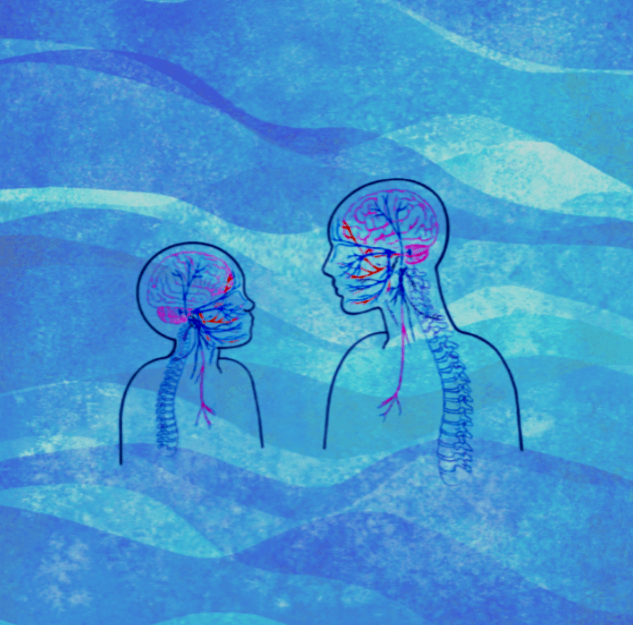
Drawing on Polyvagal Theory, we look at how your nervous system has learned to protect you. Whether through fight, flight, freeze, or fawn, these responses were shaped by your lived experiences and the environments you grew up in. They weren’t mistakes; they were intelligent survival adaptations that made sense at the time.
A key part of this perspective is the belief that there is nothing inherently “wrong” with you. The ways we’ve learned to cope, shield ourselves, and adapt were creative, necessary responses to what we faced, even if those patterns are no longer helpful today.
In our work together, we gently build awareness of your experiences in your body as your nervous system’s signals while developing more internal flexibility. We explore ways of co-regulating with another person and self-regulating on your own, always at a pace that feels safe and respectful of your system.
From here, it becomes possible to move beyond just survival—toward connection, presence, and a deeper sense of aliveness.
Working with Trauma and Deeper Patterns
Alongside building safety and awareness, we can also work more directly with the underlying experiences and patterns that continue to shape how you feel and respond.
I draw on approaches such as Schema Therapy and Internal Family Systems (IFS), using thier experiential and somatic practices, to support trauma processing in a way that feels contained and respectful of your pace.
Rather than revisiting the past in a purely cognitive way, this work allows us to gently access and process experiences where they are held—in your emotions, your body, and different parts of your inner world.
We might work with parts of you that carry distress, protection, or longstanding beliefs, helping them to be understood rather than pushed away. Through this process, these patterns can begin to soften, reorganize, and shift.
This isn’t about forcing change or reliving overwhelming experiences. It’s about creating the conditions for healing to unfold safely—with a foot in the present and a foot in the past. So that what once needed to be carried alone can begin to be processed, integrated, and released.